


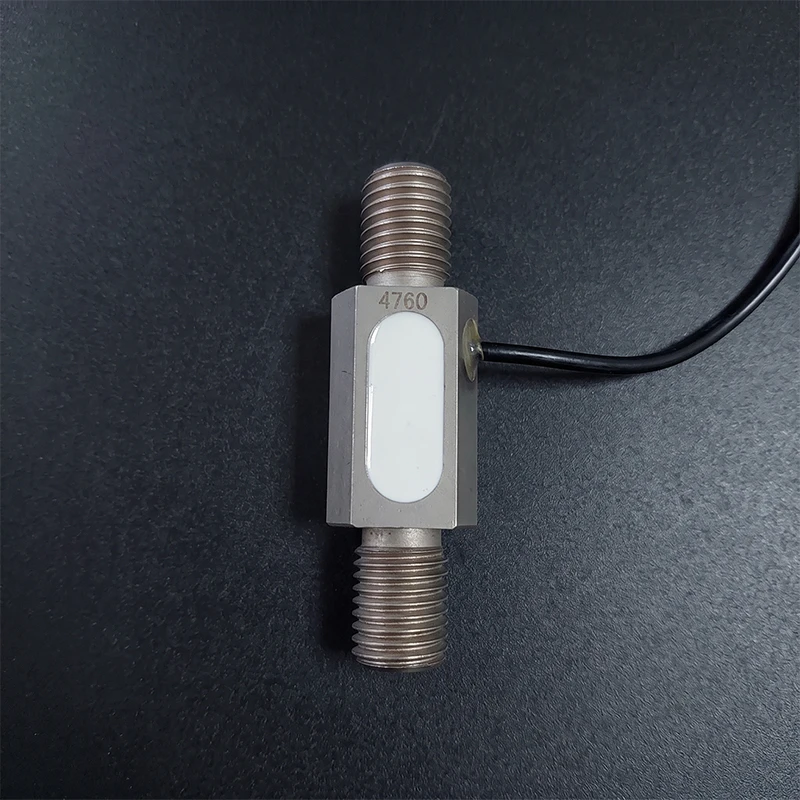
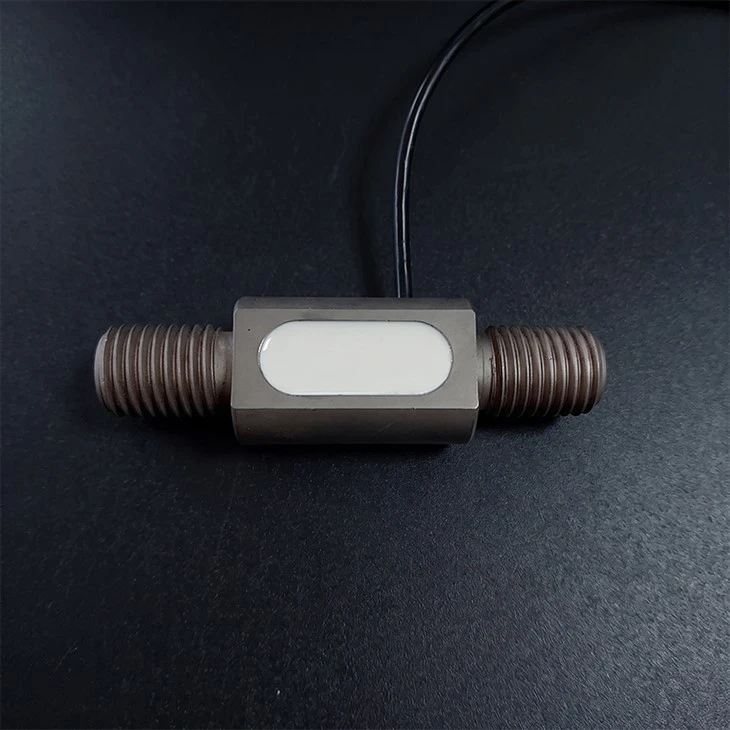
Shandong Leheng Instrument Co., Ltd. is one of the most reliable manufacturers and suppliers of tension link load cell in China. We ware committed to providing high quality customized products with low price. Please feel free to wholesale cheap tension link load cell in stock here from our factory.
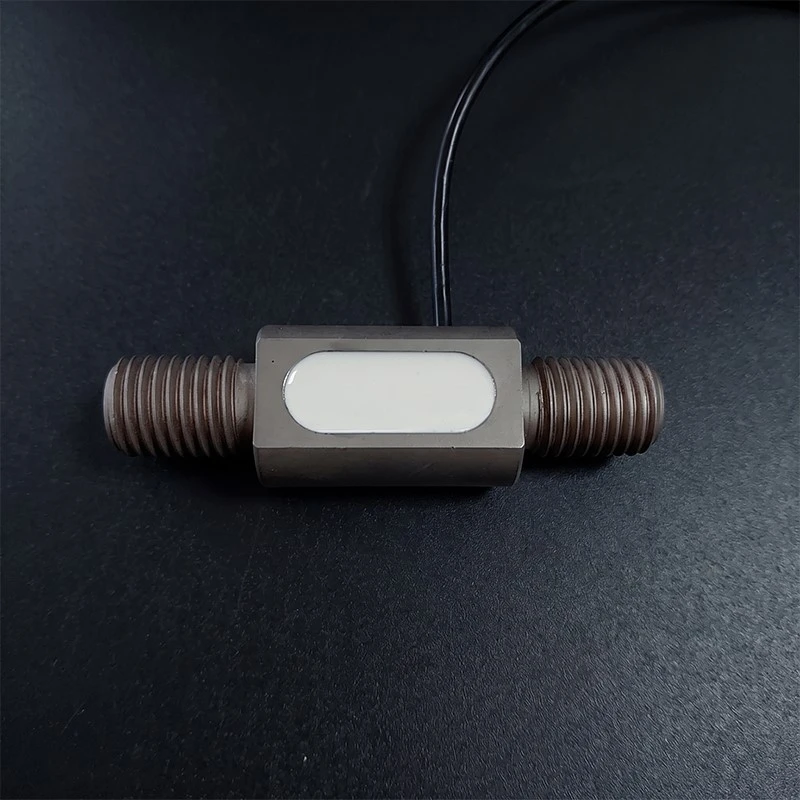
The Tension Link Load Cell is an inline force electric conversion element designed specifically for online tension measurement. It has a connecting rod shape and is equipped with mounting holes or threaded interfaces at both ends. It can be directly connected in series with load-bearing structures such as steel wire ropes, tension rods, or load chains to achieve high-precision weight or tension monitoring by measuring axial tension. The product is widely used in scenarios such as crane load monitoring, building structure tension testing, engine test benches, and industrial weighing that require inline tension measurement.
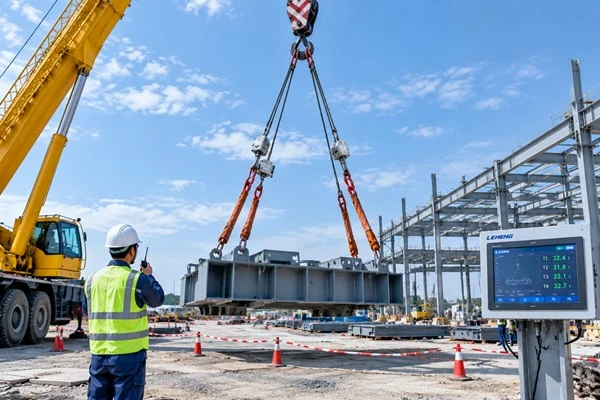
The tension link weighing sensor is a direct connected tension force measuring sensor, which adopts a linkage hinge structure and can be connected in series between the sling, wire rope, winch, and tensioning mechanism. It is widely used in lifting and hoisting, crane hook weighing, ship mooring tension monitoring, bridge anchor cable tensioning, winch tension detection, engineering tension testing, wind power lifting, cable winding tension monitoring, etc. It is widely used in port terminals, metallurgical steel plants, construction projects, lifting equipment factories, offshore operations and other scenarios to monitor tension loads in real time, achieve overload warning and lifting safety control.
Product Specifications
Product Specification
|
Parameter Item |
Specification Range |
|
Rated Capacity |
2,000 lb ~ 1,000,000 lb (approx. 0.9t ~ 453t) |
|
Combined Accuracy (Linearity + Hysteresis) |
±0.10% ~ ±0.15% F.S. |
|
Repeatability |
±0.03% ~ ±0.05% F.S. |
|
Sensitivity |
2.0 ~ 3.0 mV/V |
|
Safe Overload |
150% F.S. |
|
Ultimate Overload |
300% F.S. |
|
Protection Class |
IP67 ~ IP68 |
|
Operating Temperature |
-40℃ ~ +121℃ |
|
Material |
Stainless steel (17‑4 PH / Full stainless steel) |
Advantages
In line online installation without changing the original force path
01
High precision measurement and multiple authentication
02
Optimized anti-interference structure ensures pure axial force measurement
03
All stainless steel structure, suitable for harsh outdoor environments
04
Flexible electrical and installation options
05
Application Areas
Crane and lifting equipment load monitoring
Building structure tension testing
Engine test bench and industrial testing
Industrial weighing and process control
Agriculture and Vehicle Weighing


FAQ
Hot Tags: tension link load cell, China tension link load cell manufacturers, suppliers, factory


